Pouring concrete in hot weather is part of everyday life on the Costa Blanca, where summer temperatures sit in the thirties for weeks and the sun on a south-facing plot is relentless. Concrete does not mind heat as such, but it reacts to it quickly. Plan the pour around the heat and you get a sound slab; ignore it and you can end up with cracks, weak spots and a surface that is hard to finish.
Short answer: In hot weather, pour early in the morning, keep the pour quick and continuous, never add water on site and start curing as soon as the surface allows. Dampen the base beforehand and protect the fresh concrete from sun and wind. A pump helps because it places the concrete fast, before it starts to stiffen.
What does hot weather do to fresh concrete?
Heat makes concrete set faster and lose water from the surface more quickly, which shortens the time you have to place and finish it.
Cement reacts with water, and that reaction speeds up as the temperature rises. On a hot day the concrete in the drum is already warmer, the base it lands on may be scorching and the sun keeps heating the surface. The result is less working time for levelling and finishing.
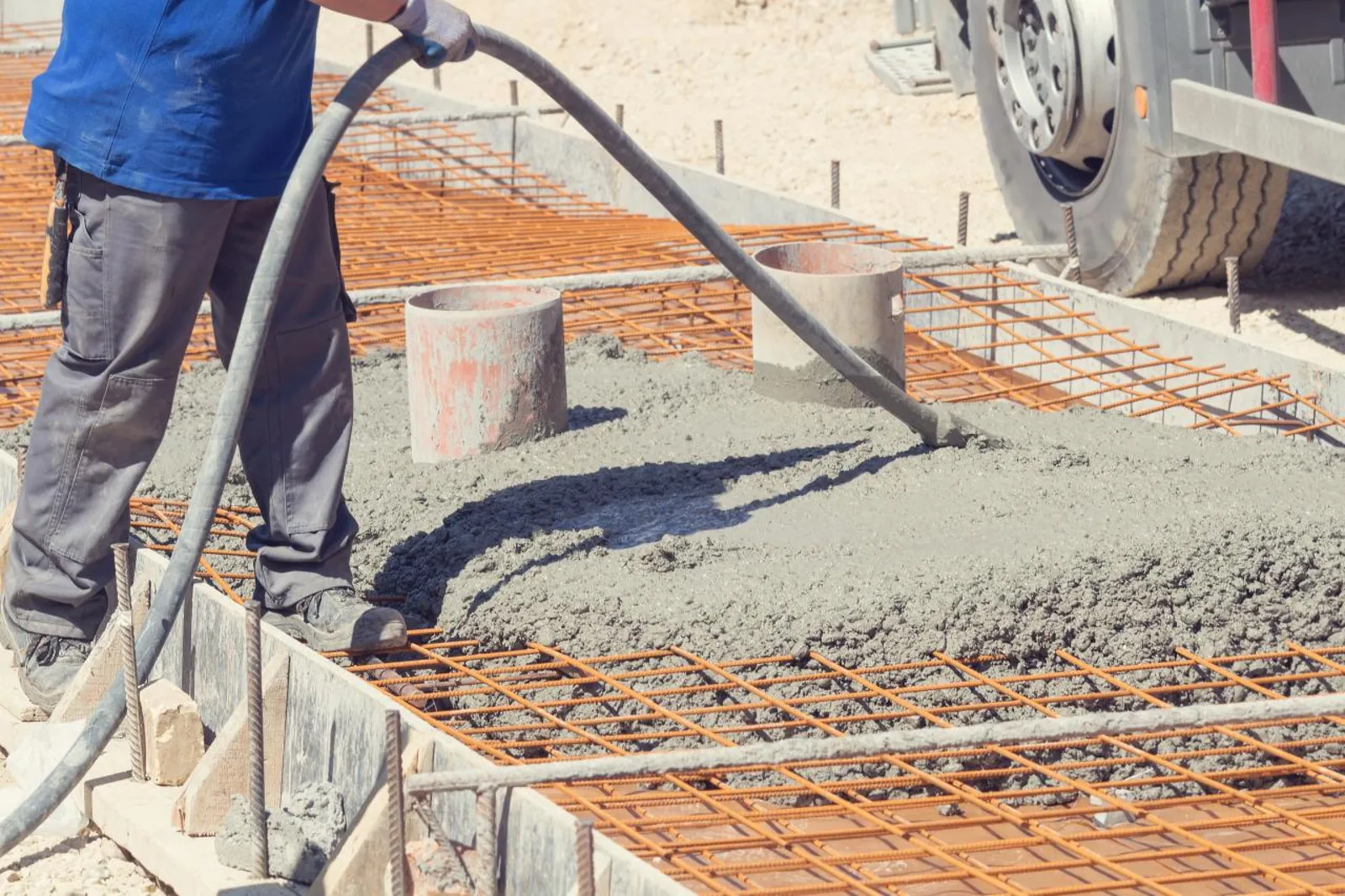
At the same time, water evaporates from the top of the slab. If the surface dries faster than water can rise from below, it shrinks while the concrete underneath has not. That is how the fine, map-like cracks known as plastic shrinkage cracks appear in the first hours.
How hot is too hot to pour concrete?
There is no single cut-off for every job, but above about 30 °C you need extra precautions, and Spanish structural rules advise against pouring in extreme heat without special measures.
For structural work, the Spanish concrete regulations generally say concreting should be suspended when the air temperature is very high, around 40 °C, unless special measures are taken. Your arquitecto or aparejador will know what applies to your project. For patios, driveways and garden slabs, the same logic holds: the hotter it gets, the more the timing and curing matter.
Temperature is only part of the picture. Wind, low humidity and direct sun on the slab all add to the risk. A still, humid 30 °C morning is easier than a breezy 30 °C afternoon with the poniente blowing in from inland.
The best time of day to pour in summer
In summer the best time to pour concrete on the Costa Blanca is first thing in the morning, with the first lorry booked as early as the plant and the neighbourhood allow.
Early in the day the base is cooler, the sun is low and the concrete has the whole morning to be placed and finished before the worst of the heat. Builders here have done it this way for generations, and the batching plants are used to early summer bookings.
| Time of day | Conditions | For pouring |
|---|---|---|
| Early morning | Coolest base, low sun, usually little wind | Best choice |
| Late morning | Heat building, sun on the slab | Workable with shade and quick finishing |
| Early afternoon | Peak heat, strongest sun, often wind | Avoid where possible |
| Evening | Cooler but less light for finishing | Only small jobs, well planned |
Book early too: in summer the first slots at the plant go fast. We can usually schedule a pour within three working days, and we order the concrete for you on the same quote.
Preparing the site for pouring concrete in hot weather
Good preparation for pouring concrete in hot weather means a damp base, shade where possible and everything ready before the first lorry arrives.
- Check formwork, reinforcement and levels the day before, so nothing holds up the pour.
- Dampen the sub-base and formwork shortly before the pour, without leaving puddles. A dry, hot base sucks water out of the concrete.
- Have curing materials on site: sheeting, hessian, a hose with a fine spray or a curing compound.
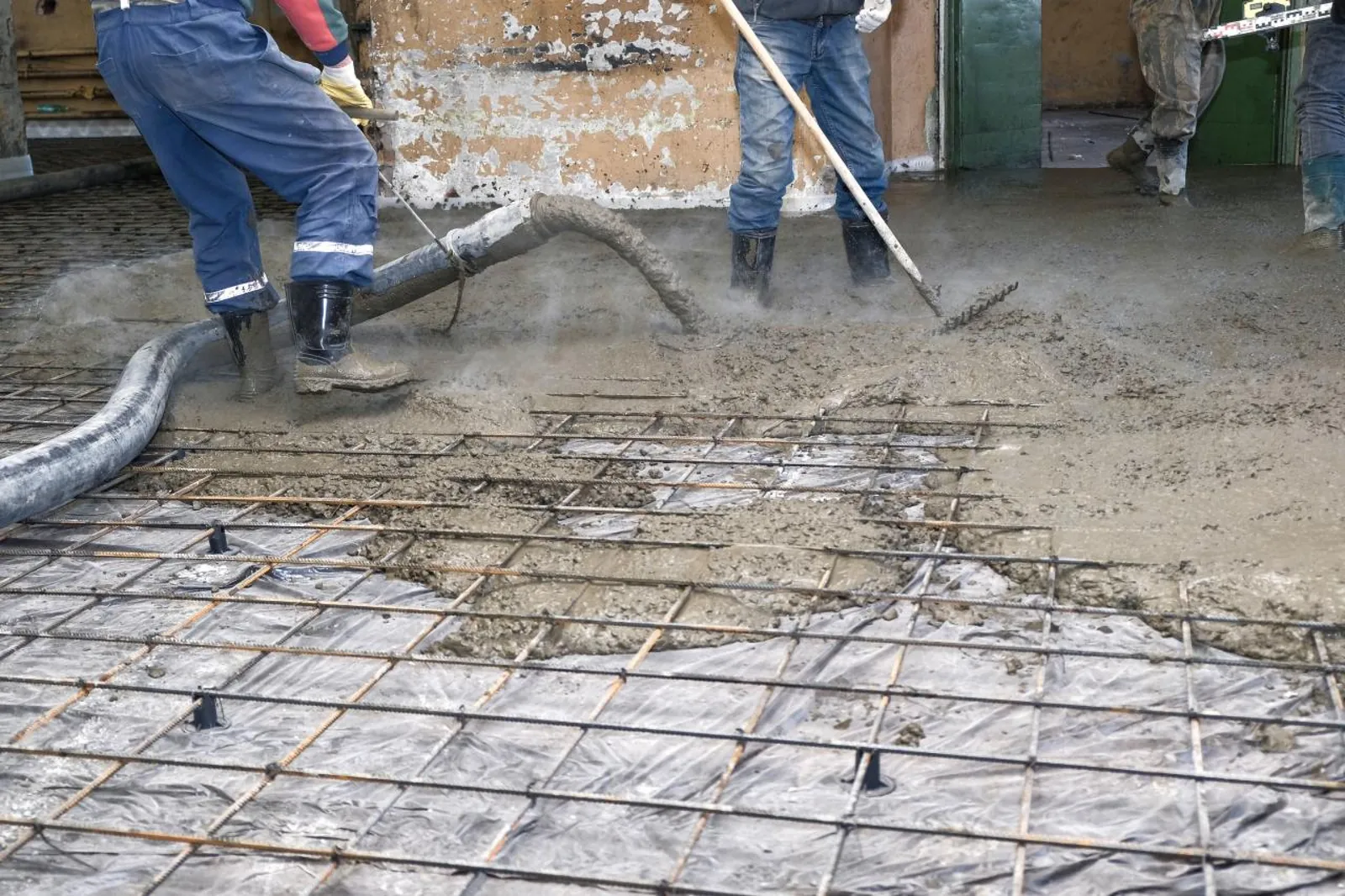
- Plan enough hands for placing and finishing. We come with two people; if your own team finishes, do not run the job with one person short, because in heat there is less time.
- Agree the mix with the plant in advance. Ask whether a set-retarding admixture is sensible for your job and your timing.
- Arrange water and a washout spot for the pump and the mixer lorries.
Our concrete pour day checklist goes through the full list, from access to clean-up.
Operator's tip: Never let anyone add water to the drum to make the concrete flow better in the heat. It weakens the concrete. If the mix needs to be more workable, that is something to arrange with the plant beforehand.
Why a concrete pump helps in hot weather
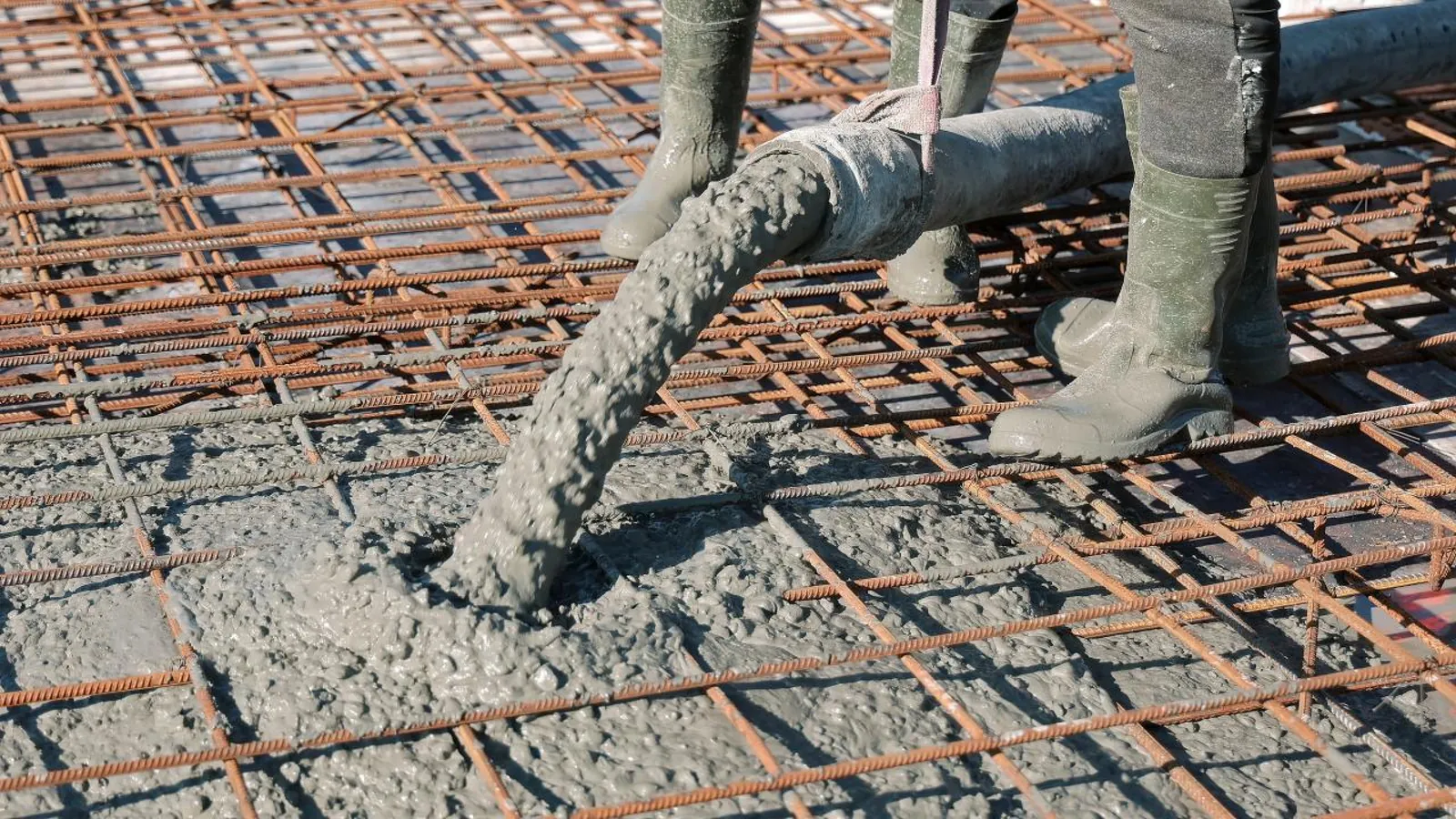
A pump places concrete quickly and continuously, so the slab is laid in one go before the first concrete starts to stiffen.
With barrows or a crane skip, a summer pour drags on. The first loads are already setting while the last are still coming in, and you get cold joints and an uneven finish. Our truck-mounted Putzmeister pump delivers 16 to 18 m³ an hour through up to 400 metres of line, so the concrete goes straight from the mixer to the slab while it is still fresh.
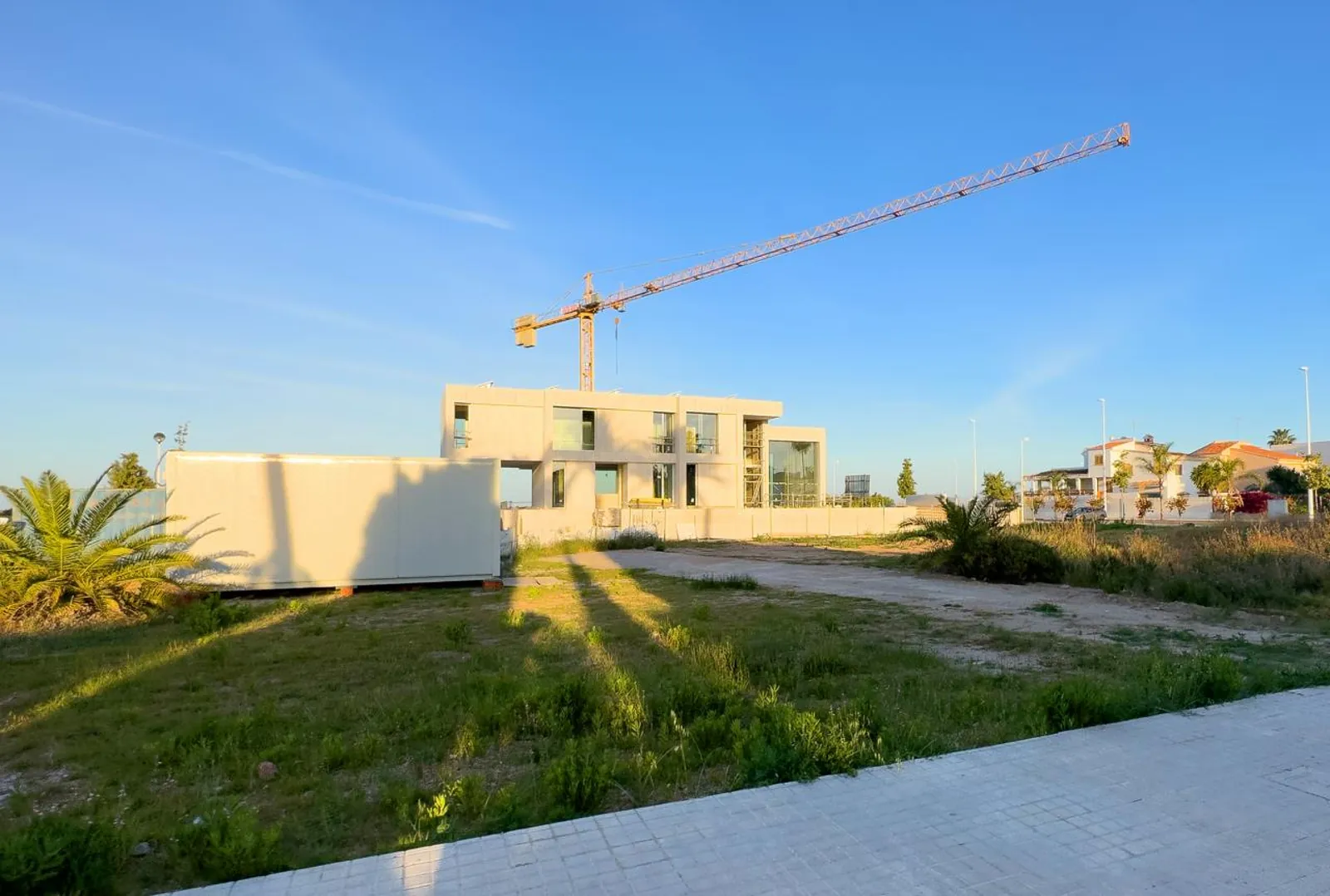
That matters most on the jobs typical of the coast: a driveway or patio in full sun, a pool shell on an exposed plot, a ground floor slab for a new villa. See our pages on concrete driveways and patios, concrete for swimming pools and concrete pump hire with operator. On steep or tight plots our narrow access concrete pump saves the time you would otherwise lose barrowing.
Don and Oliver were awesome, on time, excellent clean up and they clearly know what they are doing. Highly recommend and will have them back for some other work in the future
Bruce Ketcheson
Finishing and curing in the heat
In hot weather, finish without delay and start curing as soon as the surface can take it, then keep the concrete damp for the first days.
Curing means keeping water in the concrete so the cement can keep reacting. In the Spanish summer that is the step most often skipped, and it shows later as dusting, crazing and cracks. Common methods are:
- Covering with plastic sheeting, weighed down at the edges.
- Wet hessian or curing blankets, kept damp.
- Light, regular spraying with water once the surface is hard enough not to mark.
- A spray-on curing compound, applied straight after finishing.
Decorative work needs extra care. On stamped concrete the imprinting window is shorter in the heat, so the team has to be ready and the pour sized to what can be stamped in time. Our guide on how long concrete takes to cure explains the timings in detail.
Common mistakes on a hot day
Most hot-weather problems come from pouring at the wrong time, adding water and not curing.
- Pouring at midday because that is when everyone was free.
- Adding water on site to buy working time.
- Ordering too little and waiting for an extra lorry while the slab sets. Our guide on how much concrete you need helps you get the volume right.
- No curing plan, or sheets that blow away in the afternoon wind.
- Too few people to place and finish before the concrete stiffens.
Planning a summer pour with us
We plan summer pours around the heat: early start, concrete booked at the plant and a pump that keeps the pour moving.
A typical pour on the coast might be 18 m³ for a pool in Alicante, a job size we have pumped, or a driveway up a steep lane. The price depends on the volume, line length, access, height and any extras, and our concrete pump hire prices page explains each factor. Send a photo of the site on WhatsApp to +34 633 361 962 or ask for a fixed price. Builders with several summer pours can read our page on concrete pumping for builders.
Frequently asked questions
Can you pour concrete when it is 35 degrees?
Yes, with precautions: pour early, keep the pour quick, protect the surface from sun and wind and cure it properly. For structural work, check with your arquitecto or aparejador.
What time should I pour concrete in summer in Spain?
As early in the morning as possible. The base is cooler, the sun is low and there is time to finish before the heat peaks.
Should I wet the ground before pouring concrete?
Yes, dampen the sub-base shortly before the pour so it does not draw water out of the concrete, but do not leave standing water.
How do I stop concrete cracking in the heat?
Avoid the hottest hours, never add water on site, protect the slab from wind and sun and start curing straight after finishing. Synthetic fibres in the mix can help control surface cracking.
How long should I keep new concrete wet in summer?
In the first days at least, and longer where possible. Your builder or the concrete supplier can advise for your mix.