Concrete curing time is the gap between a slab that looks finished and a slab that is ready for real use. New concrete hardens within hours, but it keeps gaining strength for weeks, and how it is treated in the first days decides how strong and durable it ends up. On the Costa Blanca, with strong sun and warm winds, getting the curing right matters even more.
Short answer: As a general guide, you can usually walk on new concrete after a day or two, drive a car on it after about a week and expect it to reach its design strength at around 28 days. In the first days it must be kept damp and protected from sun and wind. Your builder or engineer sets the exact timings for structural work.
What is concrete curing, and how is it different from drying?
Curing is the chemical process in which cement reacts with water and the concrete gains strength; drying is simply water leaving the concrete.
When cement meets water, a reaction called hydration starts. It binds the sand and stone together and keeps going for weeks, as long as there is water available. That is why curing is about keeping moisture in the concrete, not about letting it dry out.
Setting is something else again. It is the moment the concrete stops being workable and starts to harden, usually within hours. A slab can be set, look dry and still be far from its final strength. Floors that need a finish on top add another step, drying, which is covered in our article on liquid screed drying time.
How long does concrete take to cure?
Concrete reaches roughly two thirds of its design strength in about seven days and its specified strength at 28 days, under normal conditions.
The 28-day mark is the standard reference. In Spain you will often see a mix described as HA-25, for example. That means reinforced concrete (hormigón armado) with a characteristic strength of 25 N/mm² measured at 28 days. Concrete keeps gaining some strength after that, but slowly.
These figures assume an ordinary mix, sensible temperatures and proper curing. Cold slows the process; warmth speeds it up, but only if the concrete is kept damp. Special cements and admixtures change the curve too, which is why your builder or the plant is the right source for exact timings on your mix.
Concrete curing time milestones at a glance
These concrete curing time milestones are a typical guide for a standard mix in mild weather, not a guarantee for every job.
| Time after pouring | What you can usually do | Note |
|---|---|---|
| A few hours | Concrete sets and finishing is completed | Start curing as soon as the surface allows |
| 1 to 2 days | Careful foot traffic | No dragging, no heavy loads |
| About 3 days | Light work on the slab | Keep curing |
| About 7 days | Cars on a driveway, in most cases | Roughly two thirds of design strength |
| About 28 days | Heavy vehicles and full design loads | Specified strength reached |
| Formwork removal | Depends on the element | Set by your engineer or builder |
For structural elements such as beams, slabs on props and pool walls, the timings for striking formwork and loading are set by the project. Ask your arquitecto, aparejador or builder.
Concrete curing time in the Costa Blanca climate
Warm weather speeds up early strength gain, but on the Costa Blanca the bigger risk is the concrete drying out before it has cured.
In summer the sun can heat a fresh slab quickly, and a dry wind pulls water from the surface. If the top dries before the cement has reacted, you get a weak, dusty surface and fine cracks. That is the opposite of what people expect: in hot weather the concrete needs more care, not less. Our guide on pouring concrete in hot weather explains how to plan a summer pour.
The coast's winters are mild, so curing carries on all year. On a cool, damp winter day the process simply takes a little longer, and evaporation is less of a problem. On a sunny, breezy winter afternoon, keep curing just as you would in spring.
Operator's tip: Have the curing sheets on site before the first lorry arrives. On a hot afternoon the gap between finishing and covering should be minutes, not an hour while someone drives to the builders' merchant.
How to cure concrete properly
To cure concrete properly, keep it damp and protected from sun and wind for at least the first several days.
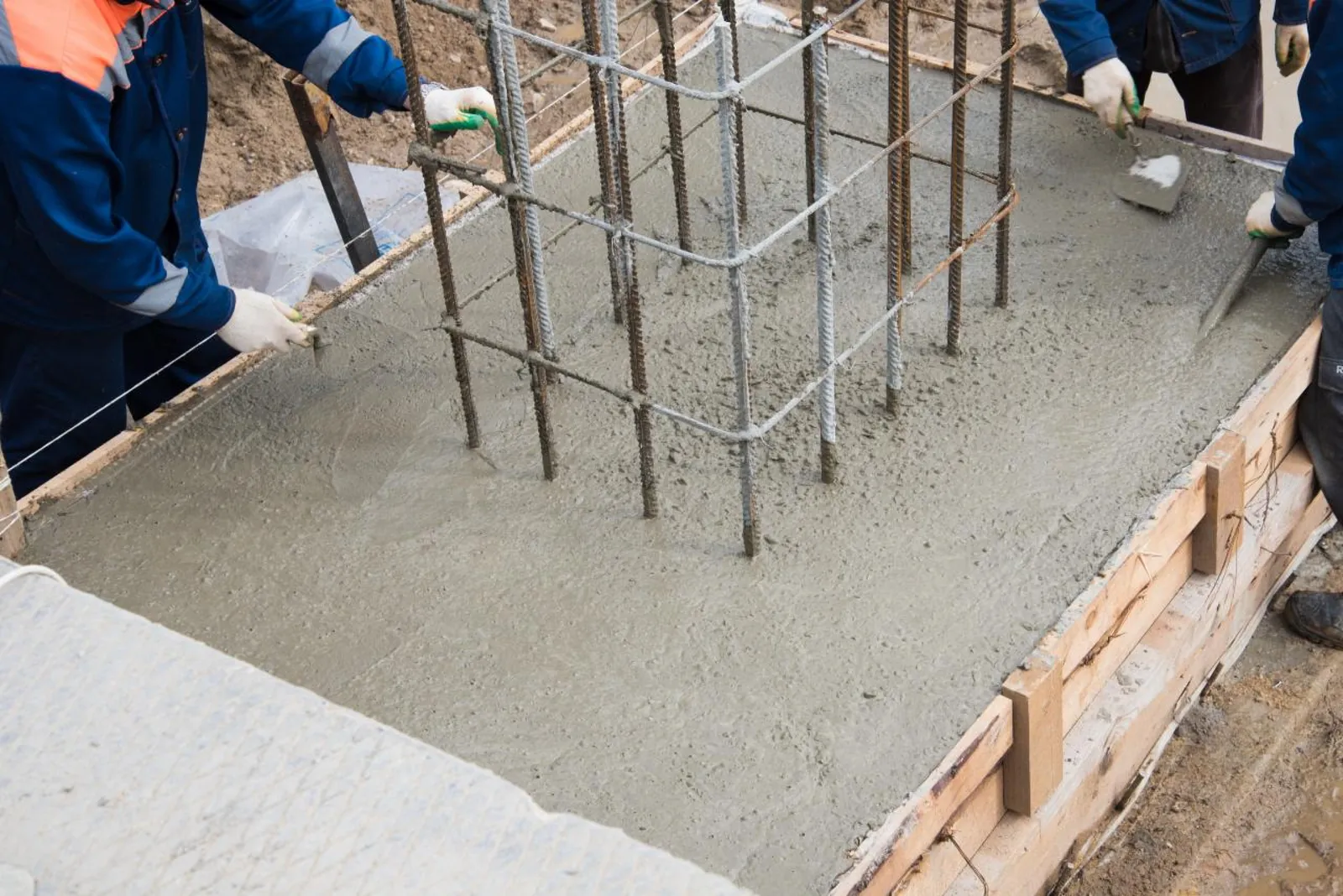
- Finish without delay. Level and finish the surface, then move straight on to curing.
- Cover or apply a curing compound. Plastic sheeting weighted at the edges, wet hessian or a spray-on curing compound all keep moisture in.
- Keep it damp. Once the surface won't mark, a light spray of water a few times a day helps, especially in summer.
- Protect from traffic. Tape off the area and keep people, pets and cars off.
- Carry on for days, not hours. Your builder or the supplier can advise how long for your mix and the weather.
Decorative surfaces need extra thought. On stamped concrete the sealer and the curing method have to work together, so we agree the curing with you when we plan the job.
When can you drive, build or tile on new concrete?
As a rule of thumb, cars can go on a new driveway after about a week, while building on top or loading heavily is best left until the concrete approaches its 28-day strength.
A family car on a well-made concrete driveway after a week is common practice. Heavy vans, delivery lorries, skips or a mini-digger are a different matter and need more time. Building block walls on a new foundation or slab depends on the design: the engineer sets that timing.
Tiling or laying a floor finish brings in moisture, not just strength. A slab can be strong enough to walk on long before it is dry enough for a wooden floor. For indoor floors, the drying target comes from your floor layer and the product guidance.
Pools, slabs and screed: curing by type of job
Every type of pour cures by the same chemistry, but the practical steps differ for pools, slabs and screeds.
- Pool shells: walls and floor are cured like any structural concrete, and the waterproofing and finish follow the builder's schedule. See concrete for swimming pools.
- Driveways and patios: large, exposed surfaces, so sheeting and damping matter most here.
- Foundations: often in the ground and partly protected, but exposed tops still need care.
- Liquid screed: laid inside, walkable after one day and dried to the floor layer's target. See liquid screed.
Thickness plays a role too. Our article on how thick a concrete slab should be explains what is usual for each use.
What goes wrong when curing is skipped
Skipping curing leads to weaker concrete, surface dusting, fine cracking and a slab that wears faster.
The damage often shows up months later: a driveway that dusts under car tyres, a patio with a web of hairline cracks, edges that crumble. None of it is caused by the pump or the pour itself; it comes from the concrete drying before it had cured. A few days of sheeting and damping prevents most of it.
Don and Oliver were awesome, on time, excellent clean up and they clearly know what they are doing. Highly recommend and will have them back for some other work in the future
Bruce Ketcheson
Planning your pour with curing in mind
Plan the curing at the same time as the pour, so the materials and people are ready the moment finishing is done.
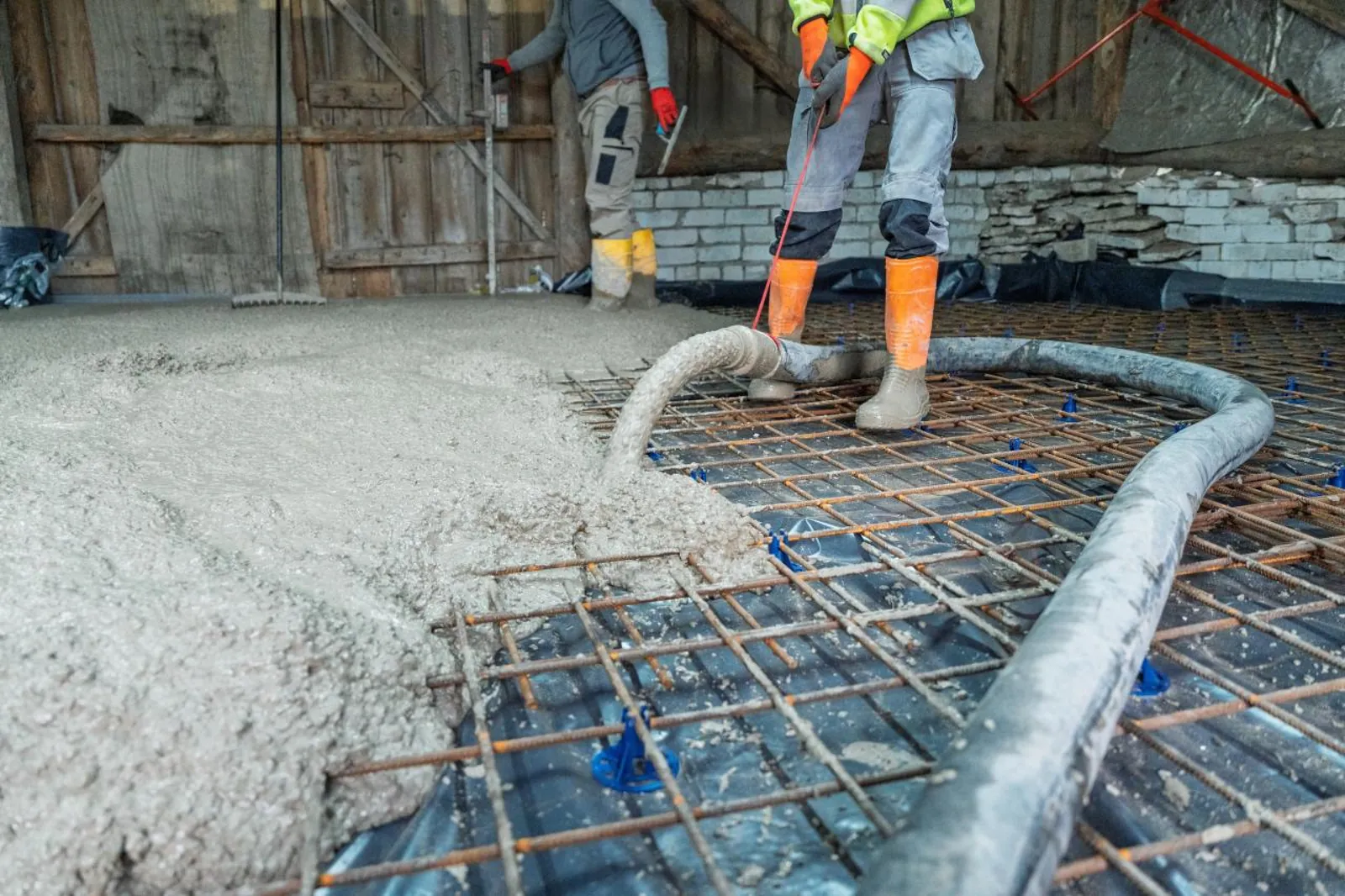
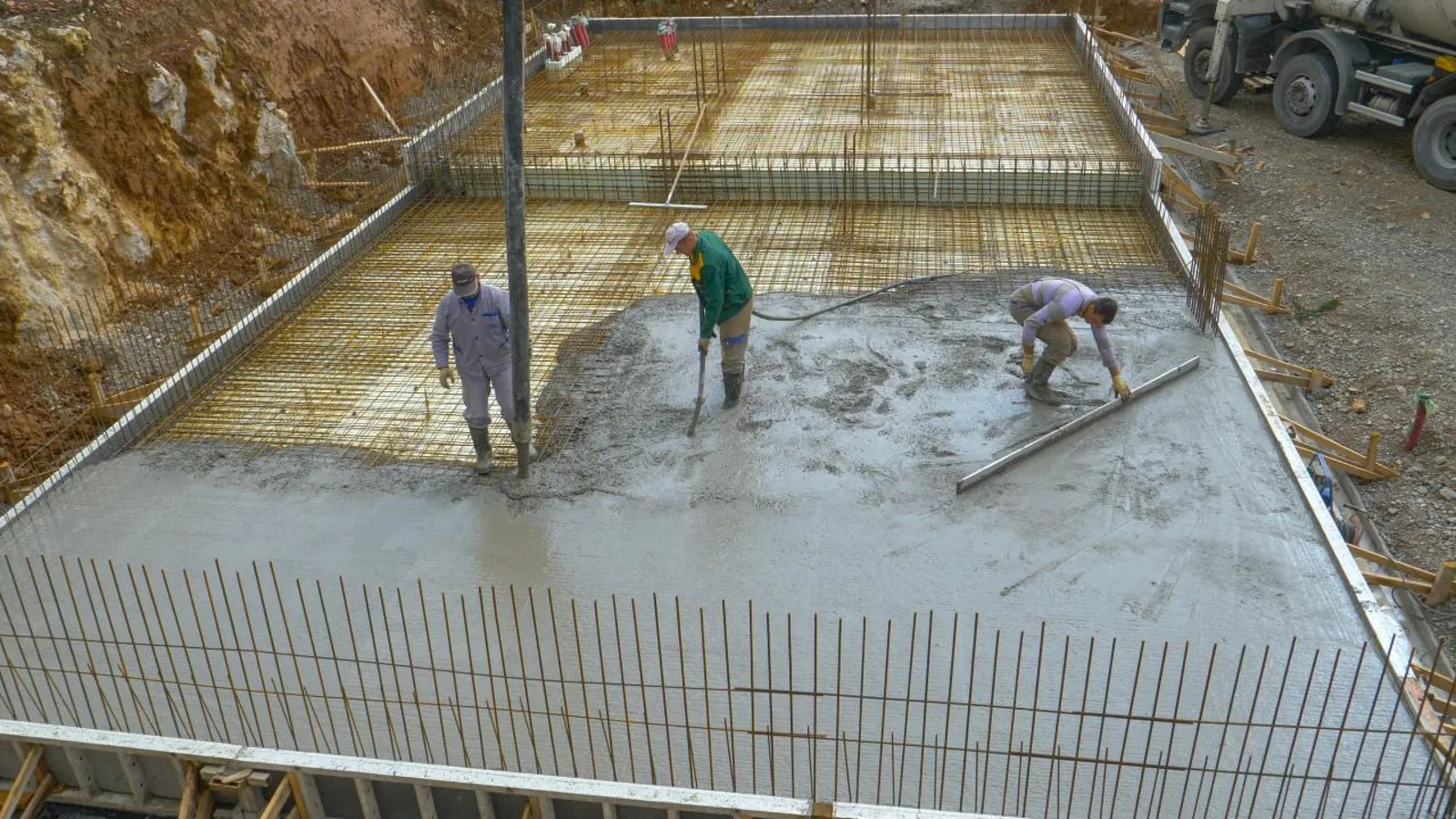
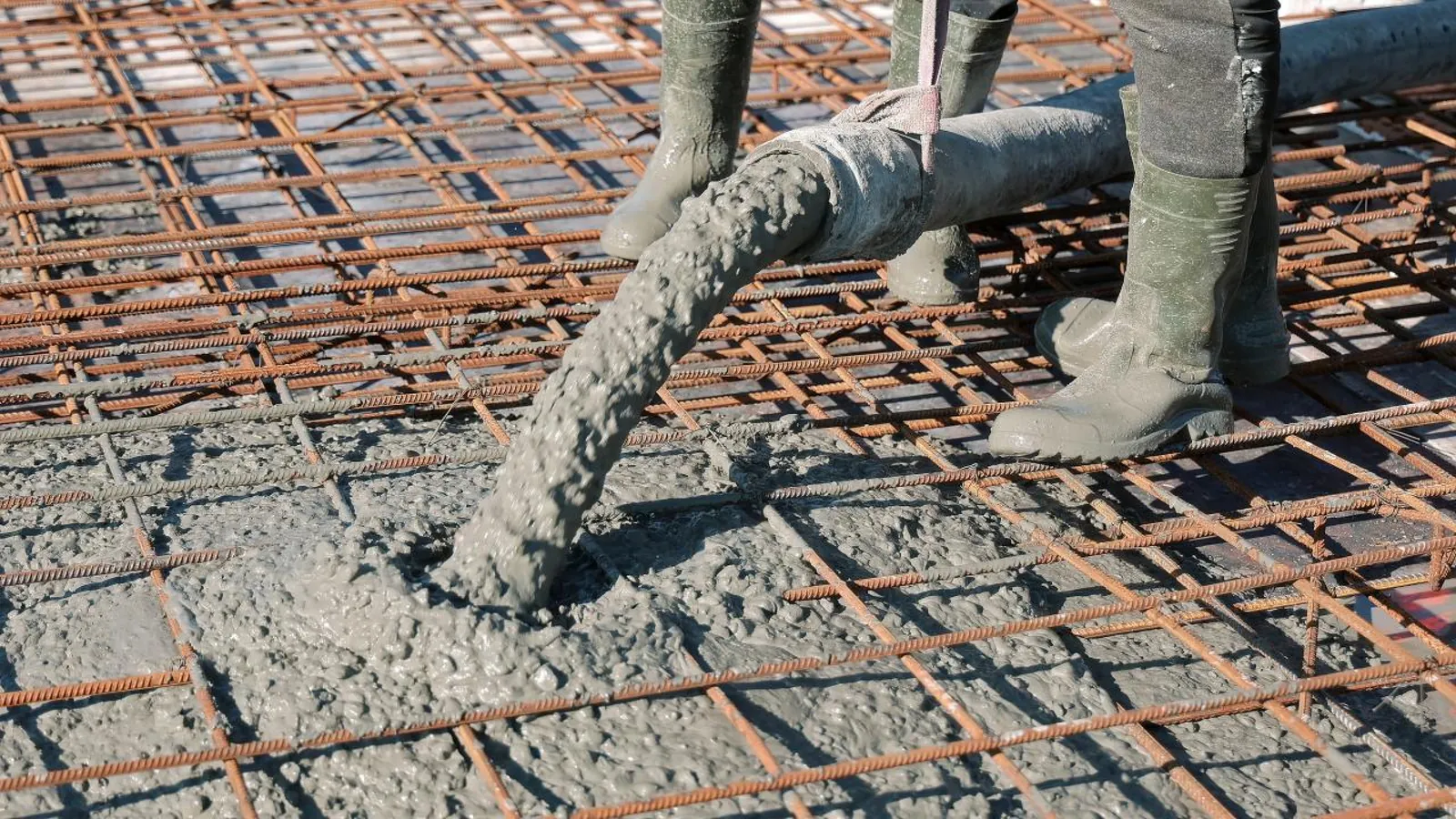
We pump the concrete with our truck-mounted pump and our own operator, and we order the concrete from the plant on the same quote. See concrete pump hire with operator for how it works, or our 20 m³ job in Moraira for an example of a typical pour. Our concrete pour day checklist includes curing in the preparation. For costs, our concrete pump prices page explains the factors, and you can request a fixed price or WhatsApp +34 633 361 962. We can usually book within three working days.
Frequently asked questions
How long before you can walk on new concrete?
Usually after one to two days, with care. Avoid dragging anything over it and keep heavy loads off for longer.
How long before I can drive on a new concrete driveway?
Cars can usually go on after about a week. Heavy vehicles are best kept off until the concrete is close to its 28-day strength.
Does concrete cure faster in hot weather?
It gains early strength faster, but it also dries out faster. In heat, keep it covered and damp, or the surface ends up weak and cracked.
How long should I water new concrete?
For at least the first several days, longer in hot, dry or windy weather. Your builder or the concrete supplier can advise for your mix.
What does HA-25 mean on a Spanish concrete order?
HA is hormigón armado, reinforced concrete, and 25 is the characteristic strength in N/mm² at 28 days.