A good concrete pour checklist saves more time and trouble than anything else you can do before the pump arrives. Once the concrete is in the drum, the clock is running: you can't stop halfway to fix formwork or wait for someone to move a car. This guide walks through what owners and builders on the Costa Blanca should sort out in the weeks before, the day before and on the day itself.
Short answer: Before pour day, confirm the volume and mix, book the pump and concrete, finish and check the formwork and reinforcement, clear the access and arrange parking. On the day, have water for cleaning and a washout spot; we come with two people and usually finish the concrete ourselves. Afterwards, cure the concrete properly.
What should you prepare before a concrete pour?
Before a concrete pour you need the right volume and mix booked, the formwork and steel finished, clear access for the pump and a team to place and finish, which in most cases is ours.
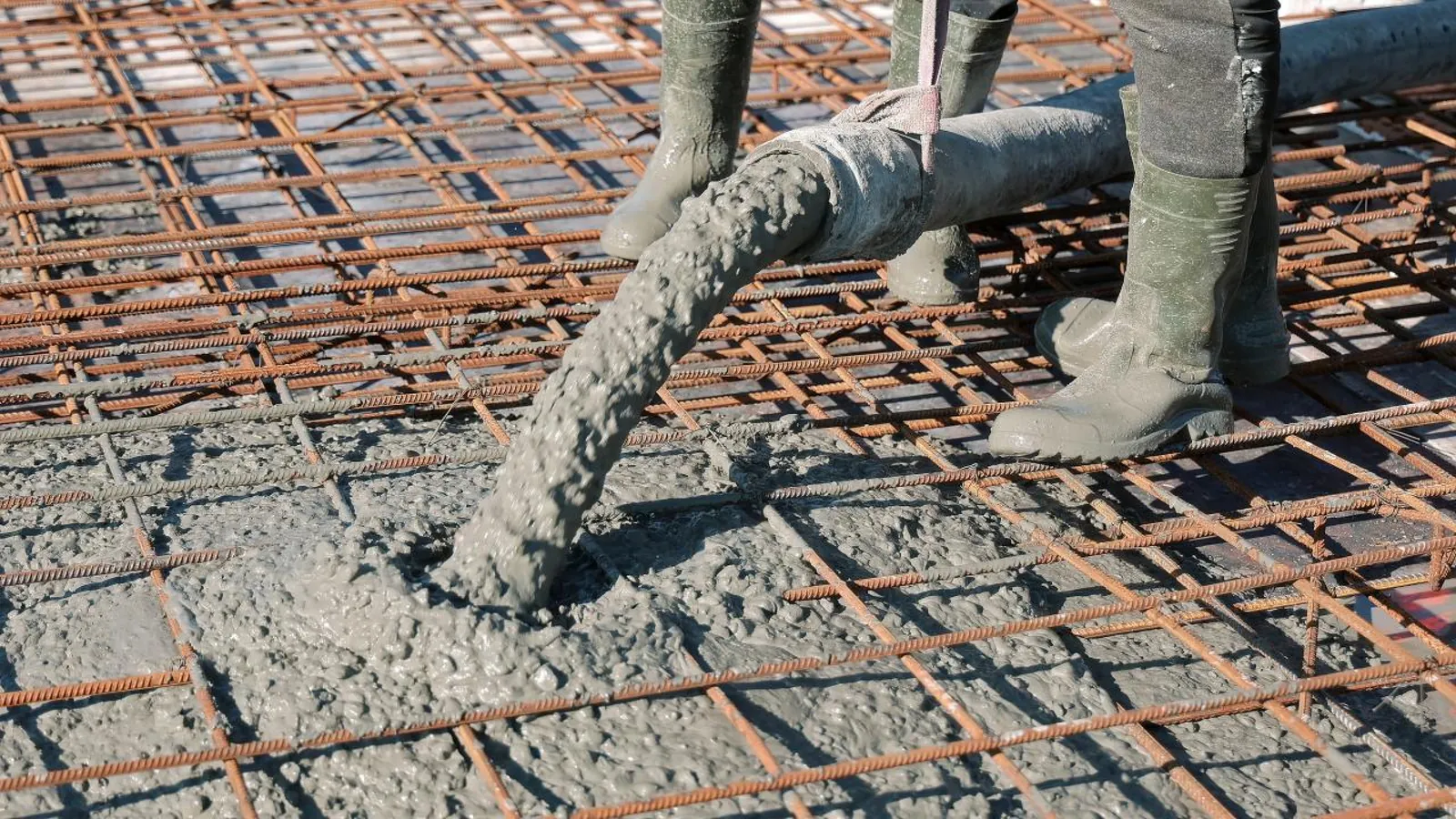
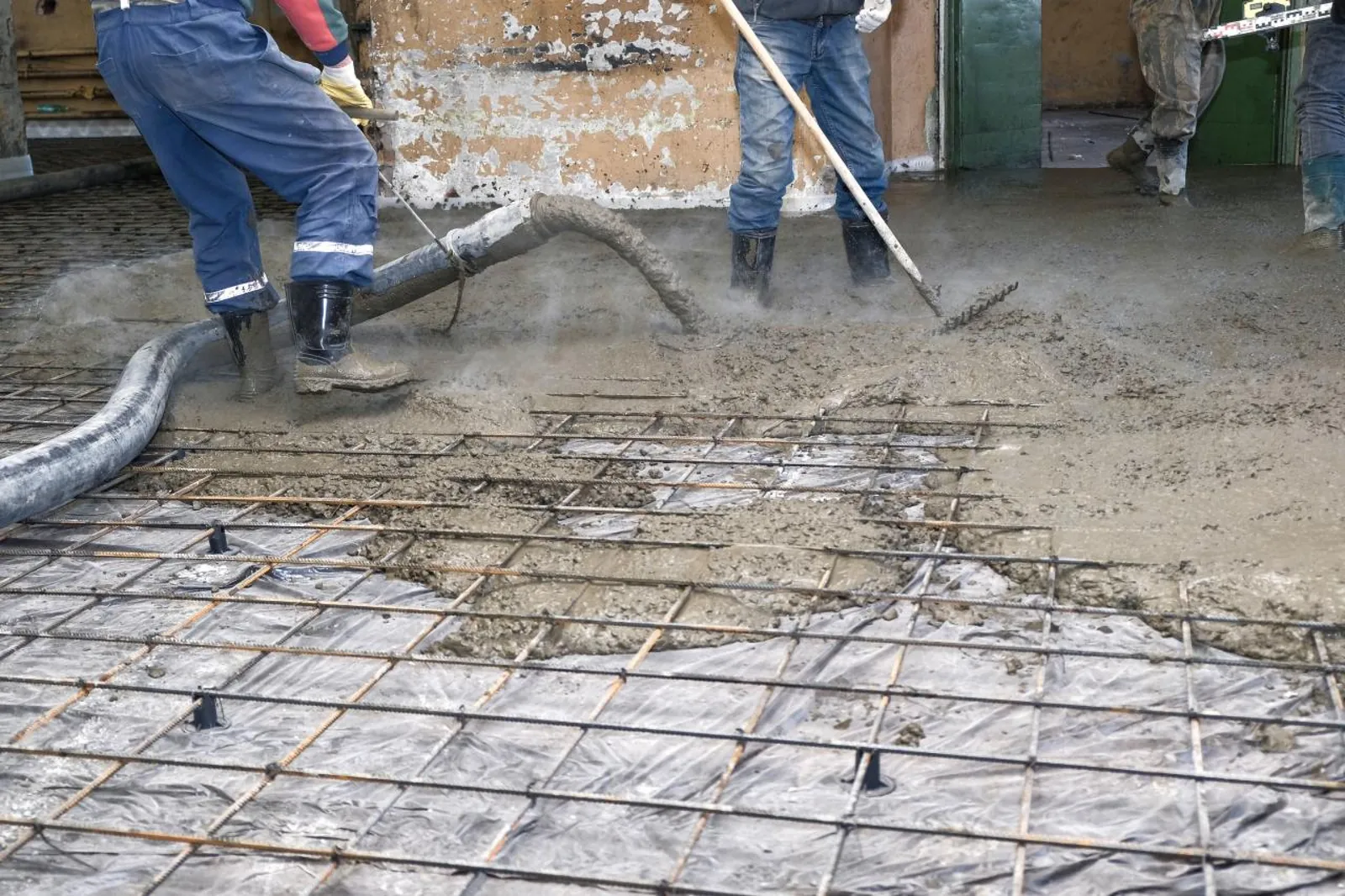
Every pour has the same three ingredients: the concrete, the pump that gets it there and the team that places and finishes it. We come with a team of two, bring the pump and the lines, and order the concrete from the batching plant. In most cases we also place, vibrate and level the concrete ourselves, using a laser. Your builder, or you if you are running the job, prepares the site. If you only want to hire the pump with an operator and finish with your own team, that is possible too.
The checklist below is split by time, because some things need weeks and others only make sense the day before.
Two weeks before: volume, mix and booking
About two weeks before the pour, settle the volume, agree the mix and book a date.
- Calculate the volume. Length x width x thickness for slabs, plus footings and beams. Our guide on how to work out cubic metres of concrete shows the method. A small margin is wise; a lorry short is far worse than a little left over.
- Agree the mix. Strength, consistency and any additions such as synthetic fibres. For structural work your arquitecto or aparejador specifies it. For slabs, our article on how thick a concrete slab should be helps.
- Book the pump and concrete. Send us the location, the volume and photos of the access. You get one fixed price for the pump, operator, lines, setting up and cleaning up, with the concrete on the same quote. We can usually book within three working days, but in busy periods earlier is better.
- Check paperwork. Make sure the permit side is in order, including any permission to occupy the road with the pump.
The week before: formwork, steel and checks
In the week before, the formwork, reinforcement, levels and any inspections should be finished and signed off.
Formwork has to be strong, well braced and sealed. Pumped concrete arrives quickly and puts real pressure on shuttering, especially on walls and pool shells. Reinforcement should sit on spacers at the right cover, tied firmly so it doesn't move when people walk on it. Levels and falls are set, so rainwater runs away from the house on patios and driveways.
If an inspection of the steel is needed before the pour, book it now, not the day before. Ducts, pipes and sleeves that go through the slab should be in place. Once the concrete is down, adding them means cutting and drilling.
Operator's tip: Stand on the formwork and push it with your foot. If it moves now, it will move a lot more with concrete in it. An extra brace takes minutes; a blown form takes the rest of the day.
Access and parking for the pump and mixer
The pump and mixer lorry need a firm spot as close as possible to the pour, and a clear route for the line to the formwork.
On the Costa Blanca that often means a steep urbanisation lane or a tight old town street. The pump stands on the road or drive, the mixer reverses up to it and the line runs from there. Check that the road surface is firm, that there is room for the mixer to back up and that nothing hangs low over the street. Our article on concrete pumping with narrow access goes into this in depth, and our narrow access concrete pump is built for these sites.
Plan the line route through the plot as well. Clear pots, furniture and anything fragile, and agree where boards are needed to protect steps or paving. Tell the neighbours the date and ask them to keep the street clear for the morning.
The day before: final concrete pour checklist
The day before, run through a final concrete pour checklist so nothing is left to chance in the morning.
| Item | What to check | Who |
|---|---|---|
| Formwork and steel | Braced, sealed, on spacers, inspected if required | Builder |
| Levels | Finished heights agreed; we set them out with a laser | Builder and us |
| Access | Street clear, gate open, route for the line free | Owner or builder |
| Concrete | Volume, mix and first delivery time confirmed with the plant | We arrange this |
| Pump | Arrival time agreed, contact number for the operator | We confirm this |
| Team | Our team of two, plus your own people only if you hire the pump alone; start time agreed | We confirm this |
| Tools | Vibrator, laser and finishing tools when we finish the job | We bring these |
| Water and washout | Hose with mains water, agreed washout spot away from drains and pool | Owner or builder |
| Curing | Sheeting, hessian or curing compound on site | Builder |
| Weather | Forecast checked for heat, wind or rain | Everyone |
In summer, look at the heat and book the earliest possible start. Our guide on pouring concrete in hot weather explains why.
On pour day: who does what
On pour day we come with two people: one runs the pump and the line, and in most cases we place, level and finish the concrete ourselves.
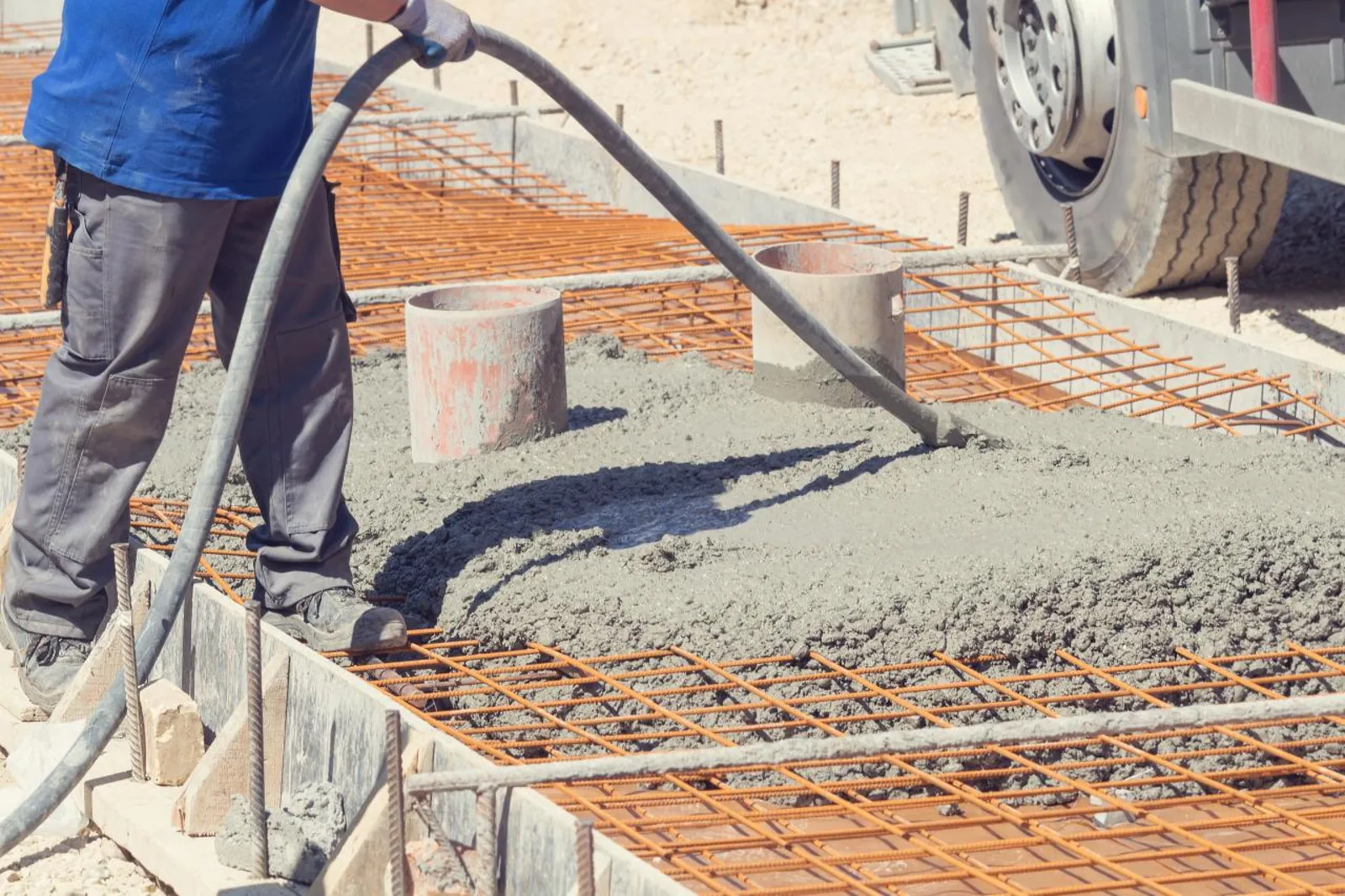
We arrive, set up the pump, lay the line and prime it with a cement slurry so the concrete runs freely. When the first mixer arrives, the concrete goes into the hopper and the operator controls the flow while the concrete is placed along the formwork. On walls and pool shells, a poker vibrator knocks out trapped air, and we level slabs with a laser. If you only hire the pump with an operator, your own team does the placing and finishing.
A bigger pour, like the 20 m³ we pumped in Moraira, means several mixer lorries arriving one after another. The pump delivers 16 to 18 m³ an hour, so 20 m³ is roughly one to one and a half hours of pumping, plus setting up and cleaning. Keep someone free to watch the formwork during the pour.
For the full picture of our service, see concrete pump hire with operator. Typical pours are driveways, patios and slabs and concrete for swimming pools; for floors inside, see liquid screed.
After the pour: curing and clean-up
After the pour, our operator cleans the pump and lines, and the fresh concrete needs curing to reach its full strength.
We wash out the pump and lines at the agreed spot and leave the street and drive clean. On your side, curing starts as soon as the surface allows: cover it, keep it damp or apply a curing compound, especially in sun and wind. Keep people, dogs and cars off for the time your builder advises. Our guide on concrete curing time sets out the usual milestones.
Common pour day problems and how to avoid them
Most pour day problems come from too little concrete, weak formwork, blocked access or too few people.
- Running short: check the volume twice and allow a margin.
- Formwork moving: brace it properly and keep someone watching it.
- Blocked street: warn neighbours and arrange parking in advance.
- Too few hands: placing and finishing is hard work, especially in heat. If you hire the pump alone, plan enough people.
- Water added on site: it weakens the concrete. Agree the right consistency with the plant beforehand.
Builders booking pours regularly can read about our concrete pumping for builders. For costs, our concrete pump hire prices page explains what the price depends on. When you are ready, request a fixed price for your pour or send photos on WhatsApp to +34 633 361 962.
Frequently asked questions
How do I prepare my site for a concrete pump?
Clear the street and route for the line, finish and brace the formwork, set the levels and have a team, tools, water and a washout spot ready. Send us photos of the access beforehand.
How many people do I need for a concrete pour?
We always come with two people and usually finish the concrete ourselves. If you only hire the pump with an operator, your builder needs enough people to place, level and finish before the concrete stiffens.
Do I need to order the concrete myself?
No. We order the concrete from the batching plant, time the lorries with the pump and put it on the same quote.
What happens if it rains on pour day?
Light rain can often be managed with sheeting. Heavy rain can spoil the surface, so check the forecast and talk to us and your builder about moving the date.
Where does the pump get washed out?
At a spot agreed beforehand, away from drains, the pool and planting. We clean up and leave the site tidy.